The call came in like many others we field at Bright Star. A sawmill owner in eastern North Carolina had finally decided it was time to liquidate. His operation had been shut down for six years, and now he was ready to sell.
Six years. That's enough time to watch your kids go from 3rd grade to graduating school, or apparently, to watch $400,000 worth of sawmill equipment turn into something considerably less impressive.
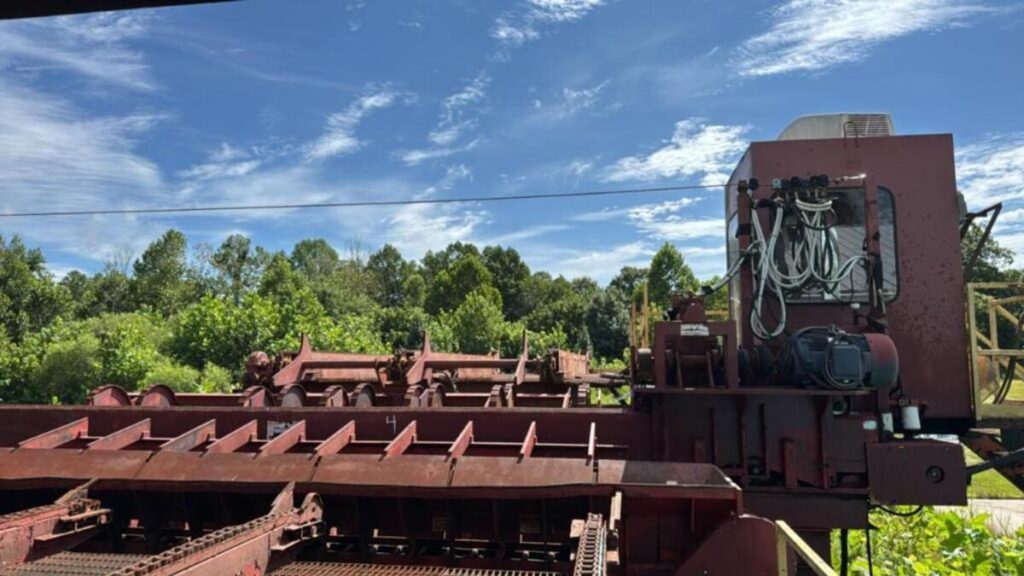
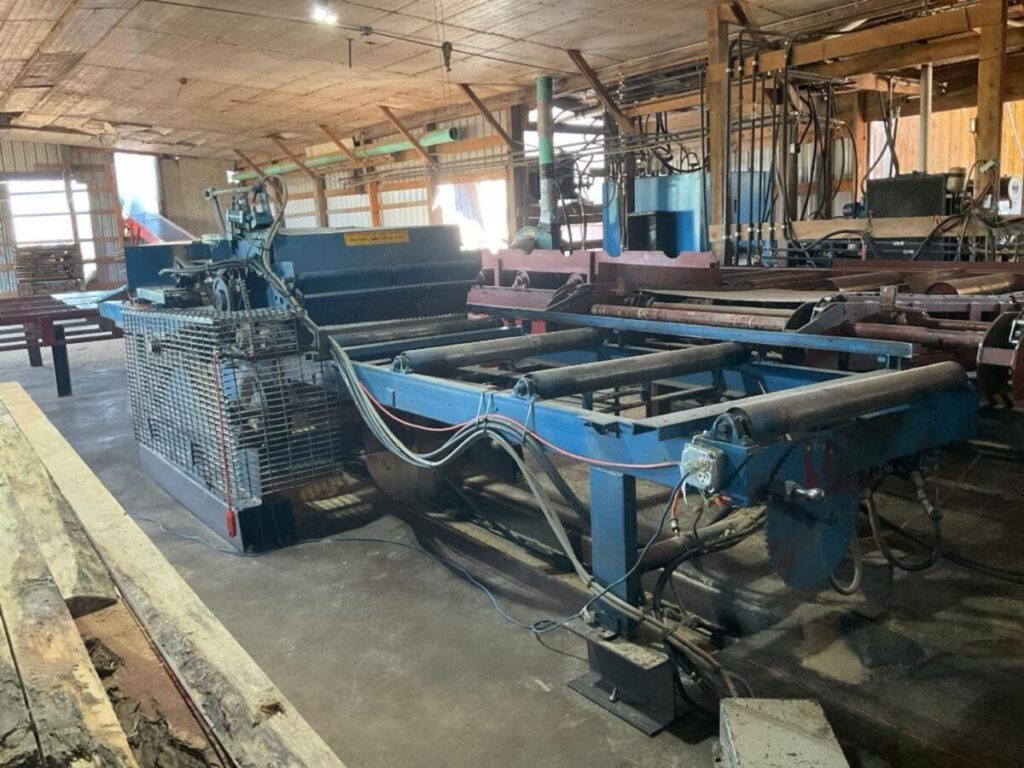
When we'd first evaluated his setup years earlier, we'd projected the sawmill itself would fetch around $400,000. It was a substantial operation with quality equipment. But those six years of sitting idle had taken their toll in ways the owner hadn't anticipated.
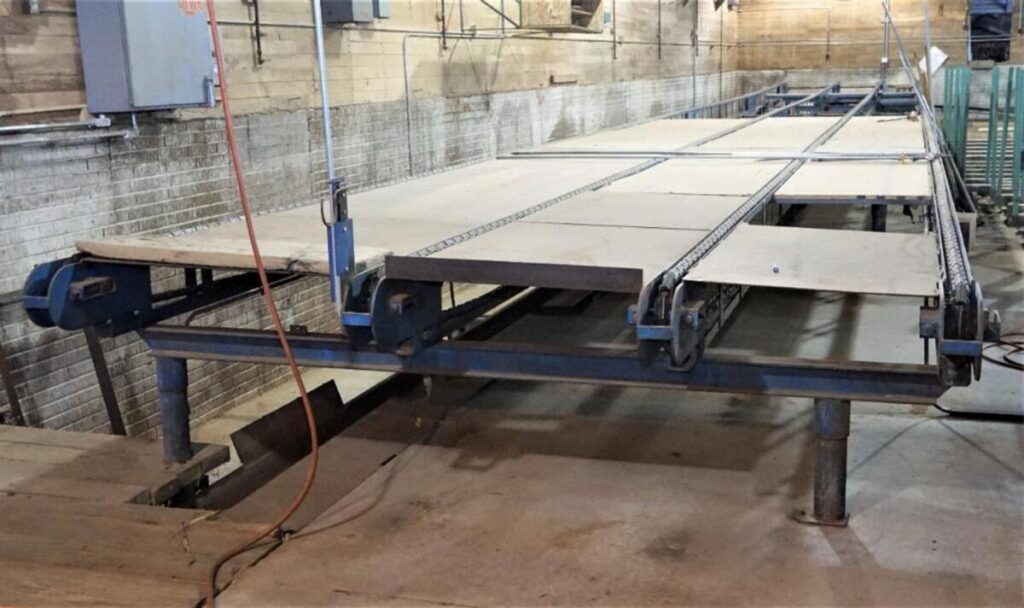
By the time we auctioned the equipment, buyers were understandably cautious. Six years is a long time for machinery to sit unused. Seals dry out, rust creeps in, and technology marches forward. The sawmill ended up selling for about a third of what we'd originally projected.
This painful lesson illustrates a truth we've seen play out repeatedly: idle equipment depreciates far faster than operating equipment. The longer equipment sits, the less buyers are willing to pay for it.
The Numbers Tell the Story
Consider another example from western New York. A medium-sized sawmill shut down production and did nothing with the equipment for four years. When we finally liquidated it, their rolling stock that they'd still been using sold well and helped the overall results. But their sawmill setup? Steeply discounted, with far less buyer interest than there would have been if they'd acted quickly.
Now flip to the opposite scenario. A small sawmill in Turbotville, Pennsylvania called us immediately after shutting down. Same marketing approach, same auction methods. The difference? Their results came in two-thirds higher than we'd projected. Fresh equipment that buyers knew had been recently running commanded premium prices.
Glenmont, Ohio tells a similar story. This mill shut down and immediately scheduled a virtual liquidation with us. We marketed the equipment through all our usual channels - print ads, digital campaigns, the BidBook, our targeted buyer lists. The equipment was fresh and recently used. Buyers felt comfortable with it. We ended up exceeding our original projections by 5%, and the seller walked away happy.
Why Buyers Hesitate
Put yourself in a buyer's shoes for a moment. You're looking at two similar band mills. One has been running until last month. The other has been sitting in a shed for three years, quietly contemplating its existence and possibly rusting in interesting patterns. Which one are you more confident will start up without problems? Which one feels like less of a gamble?
Buyers worry about equipment that's been sitting. Did moisture get in somewhere? Are there hidden issues that only show up when you try to fire it back up? Has critical technology moved forward, making this machine harder to service or less efficient? Will it start with a reassuring hum or a concerning clank? These concerns translate directly into lower bids.
The market feels this hesitation even more acutely during slower periods. In a booming market, buyers might overlook concerns about idle time. But when markets cool, that equipment that's been sitting becomes an even harder sell.
The Sunk Cost Trap
Business owners often fall into what economists call the sunk cost fallacy. "The market feels soft right now," they reason. "I'll wait for prices to improve before I sell."
But here's what this thinking misses: while you're waiting for equipment values to recover, that equipment is losing value every month it sits. It's like trying to time the stock market, except your stock is literally rusting. Meanwhile, if you sold now and invested that money into something productive, that investment could be growing.
Let's say the market is indeed down and you'd get 20% less for your equipment today than you would have gotten last year. That's painful. But if you wait another two years hoping for recovery, you might find yourself getting 40% less because the equipment sat idle for so long.
Here's another angle to consider: if the market is down and you're getting 20% less for your equipment, you can likely buy other equipment for 20% less as well. Equipment that you can actually use. Equipment that can generate income for you. The down market that's hurting your sale price is also creating buying opportunities for productive assets.
Add in the carrying costs and the picture gets worse. That equipment is taking up valuable space. If you're paying interest on it, it's costing you money every month. Could that floor space be generating income in another way?
Space, Interest, and Opportunity
When sawmill owners contemplate liquidation, they often focus solely on equipment values. They overlook three significant costs of waiting.
First, the space that equipment occupies. Could those square feet house a different operation? Could you lease them out? The longer equipment sits, the longer you're giving up those opportunities.
Second, if you're carrying debt on that equipment, the interest clock keeps ticking. Equipment that's generating no revenue but costing you interest payments is actively draining your business.
Third, the opportunity cost of the capital tied up in that equipment. Even if it's paid off, those dollars could be working for you elsewhere. Invested wisely, that capital could be appreciating while your idle equipment depreciates.
Moving Forward
If you're contemplating liquidating sawmill equipment, the message is clear: don't wait. Market timing is difficult, but equipment depreciation from sitting idle is predictable. Fresh, recently-used equipment consistently commands better prices than equipment that's been mothballed.
We've seen it play out dozens of times. The sawmill that acts quickly gets strong results. The one that waits and hopes for better market conditions ends up disappointed.
Yes, liquidating equipment represents the end of a chapter. That can be emotionally difficult, especially if you've built the operation from nothing. But delaying doesn't make that transition easier. It just makes it more expensive.
The best time to liquidate? When the equipment is still fresh, when you can tell buyers "this was running last month," when you're not asking buyers to take a leap of faith about whether everything still works.
If you're sitting on idle sawmill equipment and you've been putting off the decision, I'd encourage you to at least explore your options. The reward for acting quickly may be higher than you realize.